
As organic certification becomes more challenging to obtain, coffee producers and roasters are questioning how important a label actually is.
BY MELINA DEVONEY
BARISTA MAGAZINE ONLINE
Featured photo courtesy of Getty Images
What to know:
- Organic certification can be costly and labor-intensive for coffee producers, without guaranteeing higher prices or premiums
- Some producers are finding greater value in specialty coffee production and direct-trade relationships than in maintaining certifications
- Roasters can support sustainable farming by prioritizing transparency, traceability, and long-term relationships with producers, whether certified organic or not
The coffee industry knows all too well how conventional production causes environmental degradation—largely due to agrochemicals that emit greenhouse gases and leach nitrogen into the soil and water. Therefore, most specialty roasters source organic coffee (which avoids chemicals and genetically modified organisms) to safeguard soil health and build more productive and climate-resilient farm ecosystems.
“The main concern with (non-)organic practices in coffee is not that the residual chemicals would end up in your cup, but more so the impact it can have on the environment,” explains Austin Bowers, Green Coffee and Tea Buyer at Methodical Coffee in South Carolina.
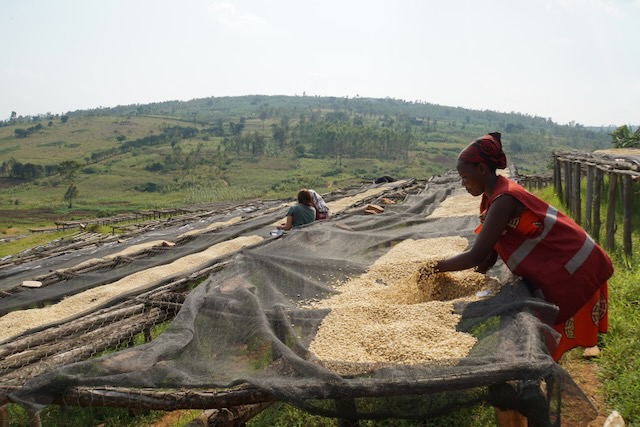
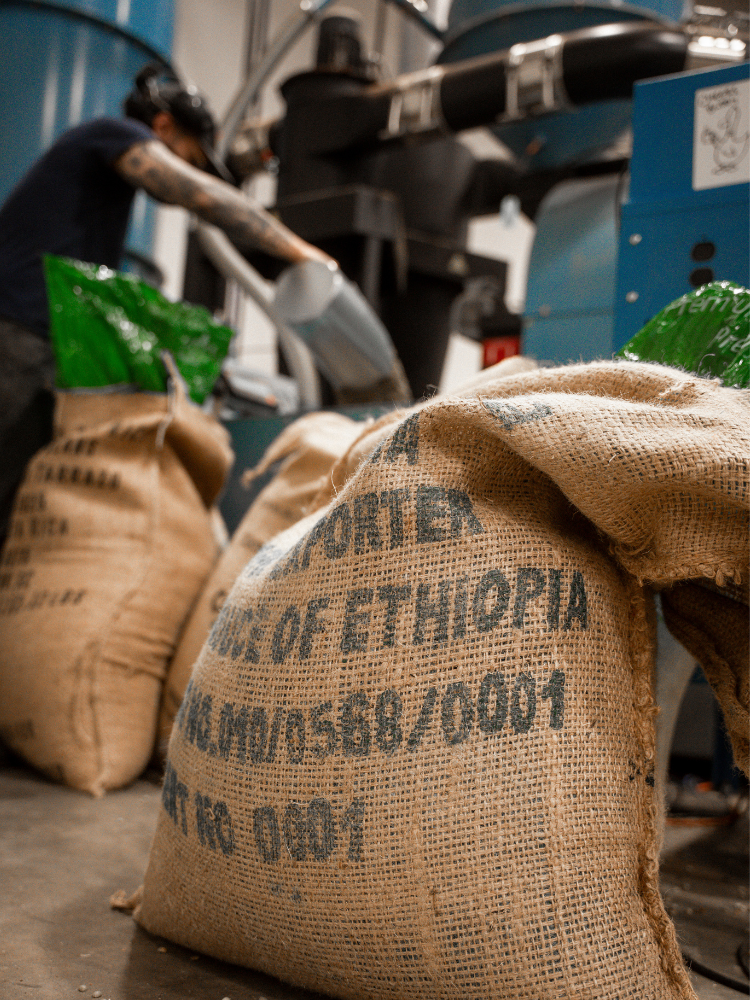
“Specialty” coffee is not necessarily synonymous with “organic” coffee; some specialty coffee producers use agricultural chemicals to increase yields and reduce pests and disease. The prevalence of agrochemical use varies regionally. For example, heavy application of agrochemicals is common on conventional coffee farms in Colombia, according to Felipe Trujillo, a coffee producer, exporter, and manager of Véntola Coffee in Colombia. Conversely, an estimated 90% of Ethiopia’s coffee is organically-grown by default—but few coffee producers have organic certifications due to inadequate systems for support and traceability.
Organic farming also incorporates practices such as growing coffee under shade, intercropping, crop rotation, and composting, which all prioritize biodiversity over larger production volumes.
National governments regulate organic certifications, each with their own—but largely aligned—definitions of organic. Coffee producers must seek an independent, accredited third-party certifying agency to verify that their farm complies with the organic definition of the countries to which they sell coffee.
The United States Department of Agriculture (USDA) organic certification is strictly enforced on coffee farms.
“There are a set of non-negotiable rules to follow before a farm can apply for organic certification, one of which is the three-year transition in which the prohibited chemicals such as synthetic pesticides, herbicides, and fertilizers must not be applied,” Austin says.
Certified organic producers and roasters are inspected annually, and subject to unannounced additional inspections. Certified coffee producers and cooperatives are searchable in the USDA’s certificate database, and face fines if they were to fraudulently label themselves as organic.
Why go through the trouble of getting a certification for simply trying to protect the environment? I talked to producers, green coffee buyers and roasters either for or against slapping an organic label on coffee bags—and the answer isn’t black and white.
A case against certification
The dark side of certifications is their heavy burden on farmers. Certification processes strain producers with limited investment capital, technical agricultural support and infrastructure—making some required organic practices unfeasible. Beginning in the periods of applying for certification and transitioning out of chemical application, organic farms often require permanent additional labor because they cannot rely on chemicals to swiftly manage crops.
Organic certifications are becoming harder for farms to maintain, Austin explains: “Due to strict regulations, keeping organic certification can be challenging especially in a world where climate change is affecting what disease and pests attack coffee plants at certain altitudes. Some producers fear losing the certification, but may choose to use chemicals which rid their plants of pests that could otherwise ruin their entire farm.”
Some cooperatives and supply chain partners bear the administrative and financial costs of certification, but producers still have plenty of responsibilities on the ground. During the years-long transition process, farmers may experience lower yields and higher operational costs before earning price premiums. Importantly, organic certification doesn’t guarantee earning a premium; because the supply of certified coffee often exceeds demand, producers sometimes struggle to sell their certified coffee as such, and are forced to accept the lower market price.
Véntola has been certified organic for over 15 years, and more recently got certified by the Rainforest Alliance. “We don’t see the certification as improving our sustainability at all, because we don’t receive better prices, even though we have to make many changes in our habits to get certified,” Felipe says. “Our perception is that somebody else is taking the benefits of the certification, but not the grower.”
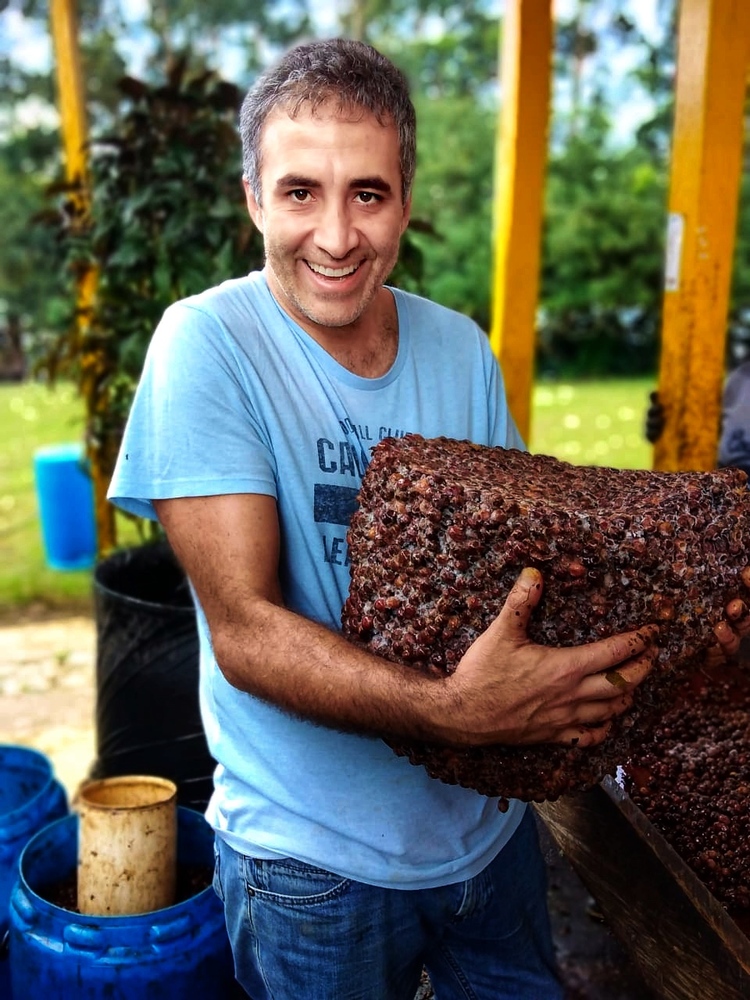
For Felipe and the producers he works with in Colombia, the organic premium doesn’t make up for the costs of the application, annual audits and additional labor, plus the time-cost of mastering new practices, training employees, continual monitoring of indicators, and extensive documentation. Their experience isn’t unique. Coffee with sustainability certifications earns a significant premium at export level but often a fraction of the premiums at farm level; in a study by the International Food Policy Research Institute, Ethiopian producers received one-third of the quality premium realized by exporters for coffee with sustainability certifications in 2014.
Like many producers, Felipe originally sought certification to meet market demand.
“There is no motivation to get certified nowadays,” he says. “There is no benefit between having the certification or not. We are certified because the exporters asked us to be.”
In reality, Felipe can fetch higher premiums for specialty or differentiated coffee. “We are more motivated to produce in the specialty market than produce a certified coffee,” he says.
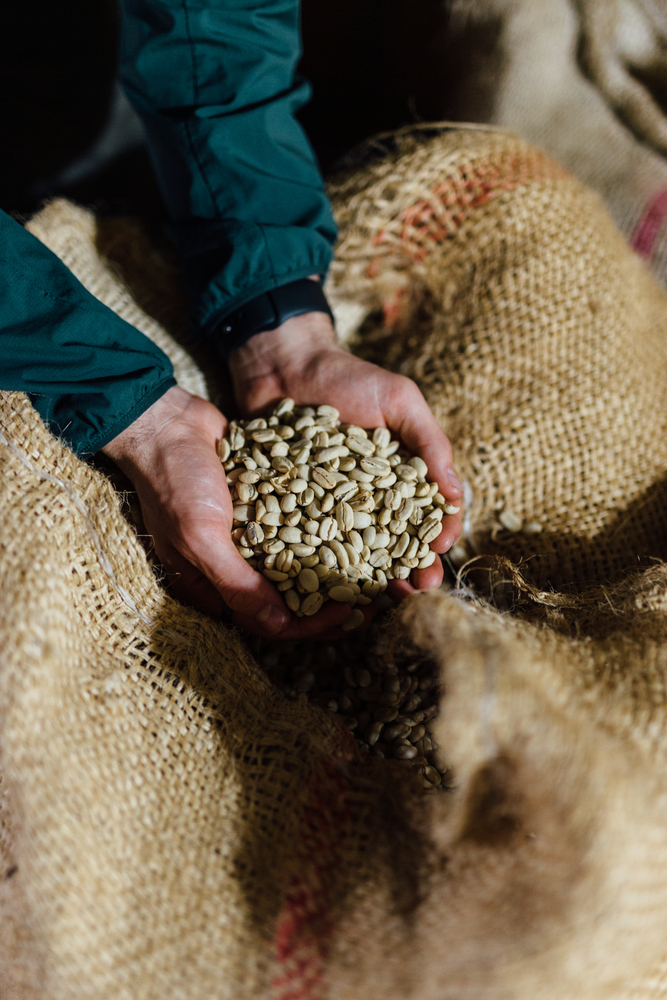
Because organic practices are well-established on Véntola’s farms, explains Felipe, “We are maintaining the practices that we are doing with certified coffees but we don’t always promote it as certified.” He prefers clients who look beyond certifications.
“The relationship means more for our growers,” says Felipe. “For me, I’ve been making more credit and more sustainable relationships (by) having direct trade (rather) than just trying to accomplish a certification.”
Véntola has long maintained direct trade with Methodical, which frequently visits all its producer partners—many of which aren’t organic certified.
“Some of the finest coffee in the world is produced by farmers who cannot afford certifications,” Austin says.
Instead of seeking only certified coffees, Methodical witnesses producers’ sustainability initiatives at origin—such as soil restoration, biodiversity, composting, clean water initiatives, and agroforestry.
“We prioritize producers who show a deep commitment to the health of their land and the well-being of their communities,” Austin says. “We forge lasting partnerships with producers for quality, transparency, traceability, and unique coffees and processes.”
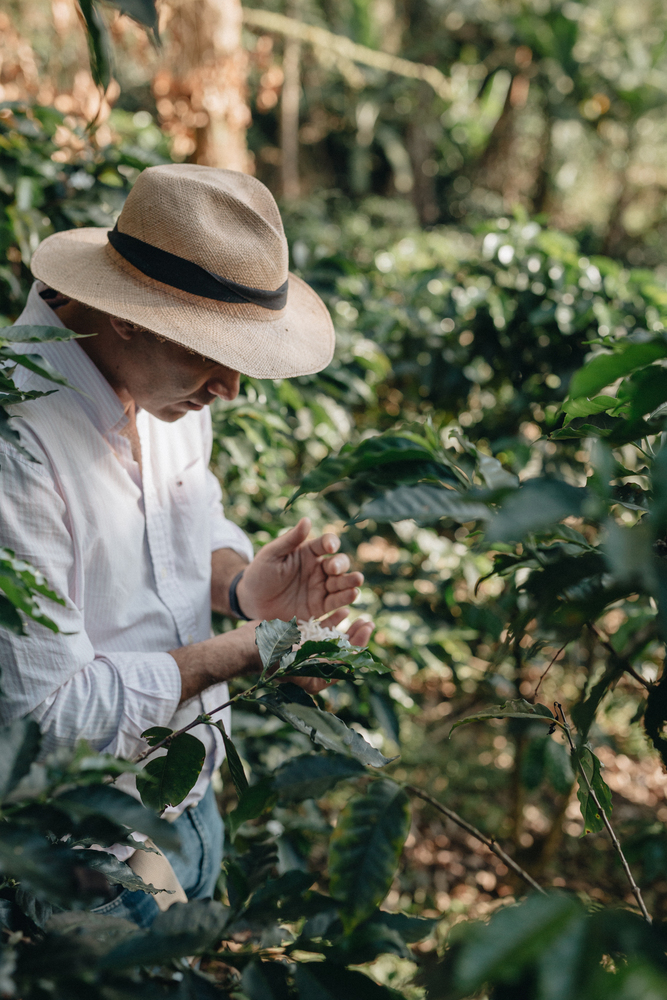
To find sustainable coffee without a certification, Austin suggests that consumers buy from roasters with good reputations, who acknowledge specific producers or cooperatives they buy from, and who source from them year after year: “This ensures they’re purchasing quality beans from quality farmers. This usually looks like staying away from the large brands sold in big box stores,” he says.
Certified or not, a bag of coffee should have enough information to trace the beans back to origin. Not only is traceability paramount to sustainability for coffee producers, but consumers are more likely to buy coffee with transparent environmental practices. Transparent direct trade is built upon constant communication—not annual audits.
“The best way that our customers can be sure that the grower is not using pesticides, or other products, is having a direct-trade relationship,” Felipe says. “My clients have spent a whole week here and they can verify our practices themselves.”
We will release part two of this article tomorrow.
ABOUT THE AUTHOR
Melina Devoney (she/her) is a barista and freelance writer in Los Angeles zeroed in on coffee and agriculture. She aims to amplify the voices of farmers and a diversity of perspectives within the coffee industry, and she’s happiest when running on wooded trails and dancing at concerts.

Subscribe and More!
As always, you can enjoy your own copy of Barista Magazine by subscribing or ordering an issue. Long live physical media!
You can read the digital edition of Barista Magazine for free here.
Support Barista Magazine and show your love with a Membership.
Signup for our weekly newsletter.
Join us at Camp Coffee Shop in Napa, California.