
Consumers have grown tired of the nondairy upcharge at cafés—but the issue may be bigger than the coffee industry.
BY EMILY JOY MENESES
ONLINE EDITOR
Featured photo by Fahmi Fakhrudin
What to know:
- As of 2026, most major coffee chains in the U.S. have removed the surcharge for alternative milk—but some independent coffee shops are lagging in following suit
- Alternative milk still often costs more at wholesale than dairy; government support programs have long helped subsidize the dairy industry, making cow’s milk appear cheaper than its true cost
- Independent coffee shops can meet consumers’ demand for plant-based milk by folding milk costs into drink prices overall
In 2026, the “plant-based milk tax” is starting to look like a relic of another coffee era—especially as most major coffee chains have dropped surcharges for dairy-free options.
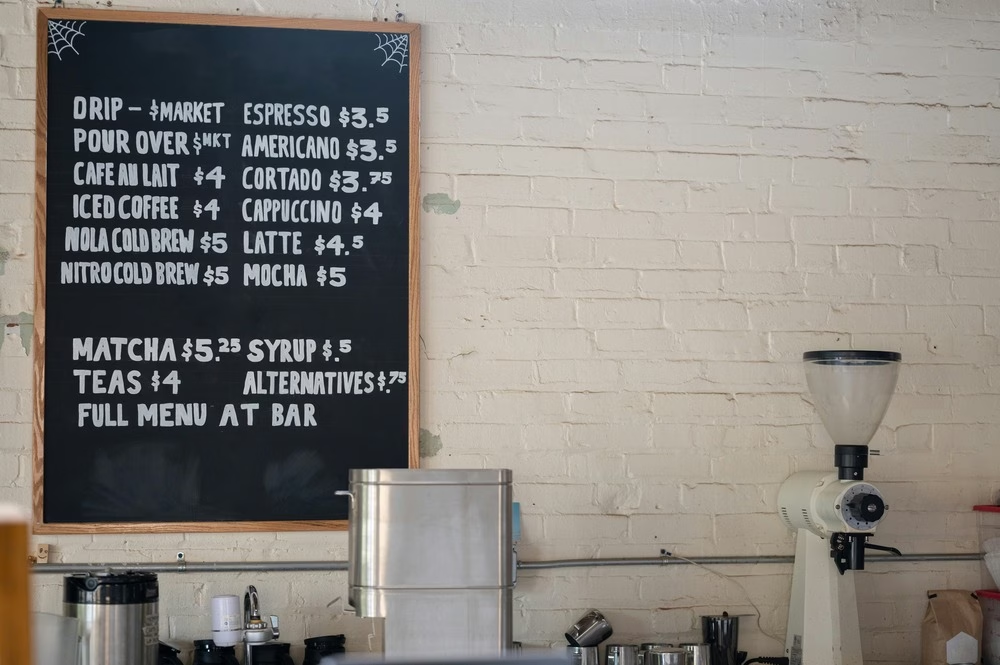
And yet, a number of independent cafés (and some larger holdouts) are still charging 50 cents or more to swap dairy for an alternative. So why hasn’t the upcharge disappeared everywhere?
Why cafés aren’t the root cause
When dishing out that extra few cents for oat milk, it’s easy to point fingers at cafés. But the answer is a bit more complicated: Many coffee shops are working within a system shaped long before oat milk became a staple behind the bar.
Independent cafés are already balancing narrow margins, rising ingredient costs, and fluctuating green coffee prices. Sentient Media reports that alternative milks still often cost more at wholesale than dairy—especially when it comes to specialty barista blends designed for steaming and latte art.
Jennifer Behr, Director of Plant-Based Initiatives at Mercy for Animals, explains how the price difference we see between dairy and nondairy is more about politics than the cost of the ingredients themselves.
According to Jennifer, government support programs have long helped stabilize and subsidize the dairy industry, making cow’s milk appear cheaper than its true cost.

“Plant-based milks do tend to be more expensive, largely due to government subsidies that support the dairy industry,” says Jennifer. “The full cost of cow’s milk, including the negative impacts to the animals and the planet, are not reflected in the wholesale cost incurred by businesses.”
This information matters, because it helps consumers understand that coffee shops often absorb larger structural issues they didn’t create. A café owner ordering milk from distributors isn’t setting agricultural policy; they’re making pricing decisions within an existing system.
“Charging more for plant-based milks is truly an outdated practice rooted in the status quo,” Jennifer adds. “It is often a case of companies continuing a policy simply because ‘it’s the way they’ve always done it.'”
The call for nondairy is getting louder
At the same time, the demand for nondairy milk continues to grow everyday. Data shows that, in 2025, roughly four in ten American households purchased nondairy milk, and one-third of Americans drink it at least weekly. Furthermore, Mordor Intelligence reports that the nondairy milk market in the United States is expected to grow from $5.26 billion in 2026 to over $9 billion by the year 2031.
Dairy remains one of the most common food allergens in the United States, and lactose intolerance affects millions of people, particularly communities of color. For many customers, plant-based milk is more a necessity than a preference.

Environmental concerns also continue to shape the discussion. According to Jennifer, “Compared to oat milk, cow’s milk produces 3x the greenhouse gas emissions, utilizes 11x more land, and requires 13x more water per glass.”
As more coffee chains remove the nondairy upcharge, independent cafés may increasingly face customer questions about whether extra charges still make sense. But if there’s a takeaway here, it’s that the issue is bigger than the coffee industry.
Where to go from here
For cafés still charging extra for plant-based milk, the path forward may be less about eliminating a surcharge overnight and more about rethinking how milk pricing fits into the bigger picture.
Plenty of shops operate on razor-thin margins, and for small businesses, every ingredient cost matters. But as more chains and independent cafés successfully build price parity into their models, owners have an opportunity to revisit long-standing assumptions.
Rather than treating oat or almond milk as a premium add-on, cafés could evaluate menu pricing more holistically—by folding milk costs (regardless of the type of milk) into drink pricing overall, or renegotiating purchasing strategies as demand for plant-based options continues to grow.

There’s also an opportunity for cafés to see milk choice as part of hospitality. Customers increasingly expect flexibility, inclusivity, and values-driven business practices from the places they support. As Jennifer points out, “Companies should eliminate the plant-based upcharge because it is, fundamentally, the right thing to do for their customers and the planet.”
As cafés continue evolving alongside changing customer preferences, dropping the alternative milk surcharge may become less about following a trend and more about aligning coffee service with the values many shops already champion: accessibility, sustainability, and care for the communities they serve.

Subscribe and More!
As always, you can get a hard copy of Barista Magazine by subscribing or ordering an issue.
Support Barista Magazine and show your love with a Membership.
Signup for our weekly newsletter.
Join us at Camp Coffee Shop Aug. 10-13 in Napa, California.
Read the April + May 2026 21st Anniversary Issue for free with our digital edition.
For free access to more than six years’ worth of issues, visit our digital edition archives here.


