

Rising as an alternative to chai concentrate, “sticky chai” may be set to become the next café staple.
BY EMILY JOY MENESES
ONLINE EDITOR
Photos courtesy of Tanglewood Beverage Co. Featured photo by Kamal Preet Kaur.
What to know:
- Chai consumption can be traced back thousands of years; early versions of the beverage consisted simply of spices like ginger, cardamom, and cinnamon, with black tea being introduced to the drink in the 1800s
- Modern cafés serve chai in a variety of ways: from traditional brewing to chai concentrate to now, “sticky chai”
- Sticky chai is made of loose-leaf black tea blended with spices and bound together in raw honey, agave, or syrup; Tanglewood Beverage Co. shares their own recipe, which comes in a jar and can be steamed in a pitcher with milk for a quick, tasty chai
Today, almost as much as coffee, chai, which is Hindi for simply “tea,” is a staple in cafés around the world—and every establishment has its own approach to the beverage as we know it today, made with black tea, spices, and milk.
Modern coffee shops serve the drink in a variety of ways, either using traditional chai brewing methods, chai concentrates, or, more recently, “sticky chai”—an alternative to chai concentrate, which is made of loose-leaf black tea blended with freshly ground spices and bound together in raw honey, agave, or syrup.
A drink with a history
Before discussing chai in the café world, it’s important to note that chai consumption began in India far before western cafés ever caught wind of it; legend says that consumption of the beverage can be traced to thousands of years ago, when spices like ginger, cardamom, and cinnamon were brewed together and consumed as a medicinal drink.
The introduction of black tea into the beverage wouldn’t come until the 1800s, and in the 1900s, the modern version of chai would spread throughout India via chaiwallas (roadside chai vendors), eventually becoming popular within the worldwide café scene.
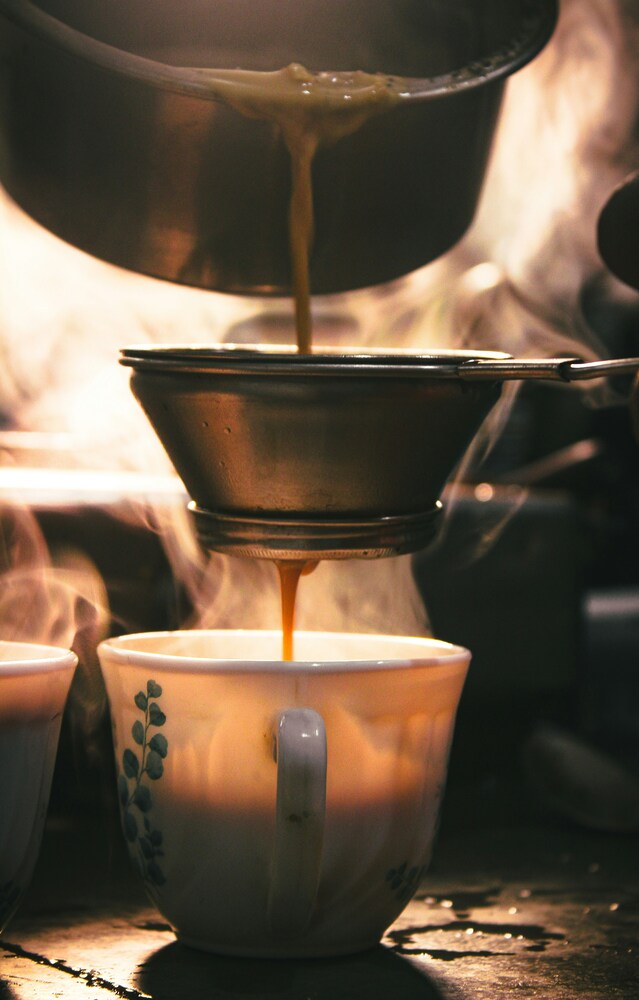
Sticky chai finds a home in Portland
At Tanglewood Beverage Co. in Portland, Oregon, co-founders Misty Cumbie and her wife, Ro Tam, have often found themselves faced with customers looking for an alternative to chai concentrate with less sugar, which led them to develop their own version of sticky chai. “Sticky chai is all the chai ingredients blended together and coated in a thin layer of sweetener, like honey or agave. We use organic agave,” Misty told Barista Magazine. “The coating seals in the freshly ground spices without adding much sugar, which felt like a win-win to us.”
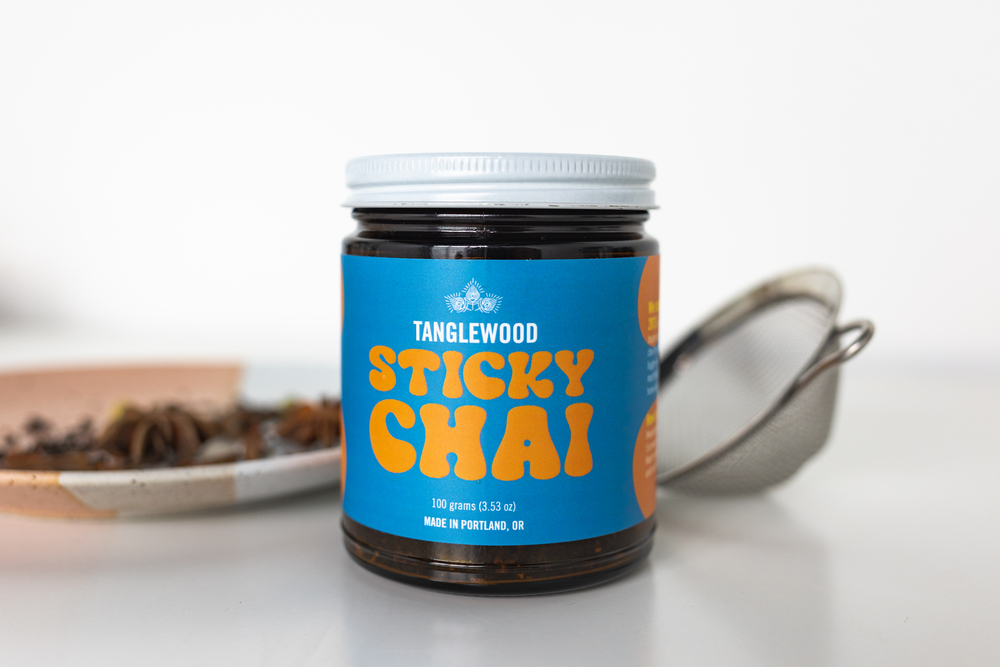
Ro explains that their jarred sticky chai is developed for home brewers and cafés alike, adding that it isn’t meant to replace chai concentrate or traditional chai but rather, present another option. “Our concentrate isn’t going anywhere,” says Ro. “It’s built for consistency, speed and an easy café workflow. But people kept asking for a lighter, less-sweet chai for home, and we didn’t want to trade quality for convenience the way many powdered mixes do. Sticky chai lets us give them that without cutting corners.”
Developing a recipe that sticks
Each jar of Tanglewood’s sticky chai blends organic black tea with black pepper, cinnamon, cardamom, star anise, nutmeg, and clove; simmer a heaping teaspoon with 5 oz of water and 5 oz of milk, and you’ll have a delicious drink in three minutes on the stove. Another plus? It doesn’t require refrigeration.
While, for brewers, the product is fairly straight-forward, Misty shares that developing the recipe was a more involved process than some would guess. “Flavor came first: We wanted it to taste unmistakably like Tanglewood, with real ginger heat and warm spice. The harder part was making it shelf-stable,” says Misty.
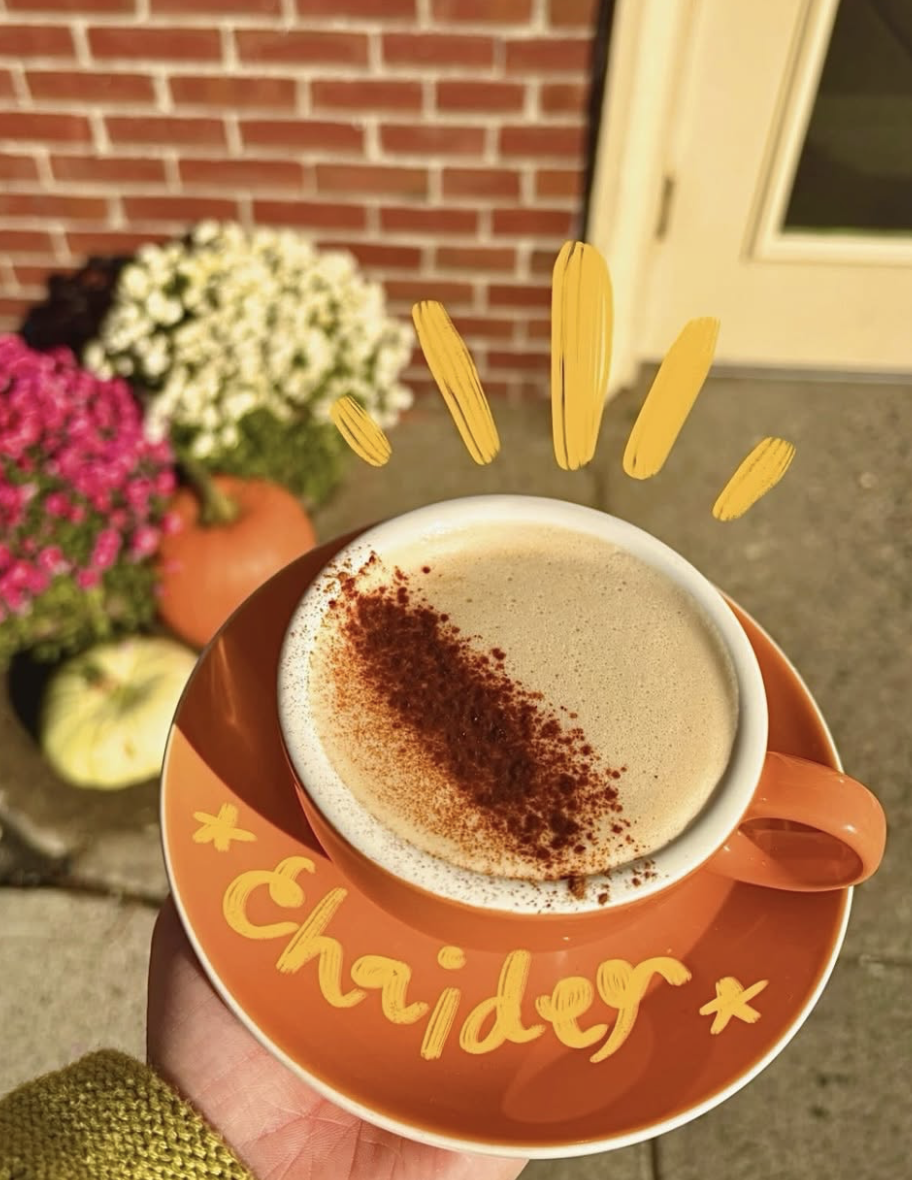
Misty also shares that, because spices need careful handling, she and her team did a full food-safety hazard analysis. “The agave has to bind the spices without making the blend wet enough to spoil, so we went through test batches and sent them to a lab for water-activity testing until the moisture was in a stable range,” she says. “It took a lot of rounds to get something that tastes handmade and still holds up on a shelf.”
Incorporating sticky chai into café menus
For baristas and café owners looking to incorporate sticky chai into their operations, Ro and Misty explain that the paste can be steamed directly with milk in a pitcher, then strained and served like a latte. “We come from specialty coffee, and we’re a little obsessed with extraction,” says Ro. “That shaped the whole product: Keep the tea and spices fresh right up until they hit the steam wand.”
And for anyone looking for fall drink inspiration, Misty shares her personal favorite way to enjoy the product: “Ro and I grow apples on our homestead, and this year’s batch of apple butter found its way into our chai. Stir 1 tablespoon of apple butter into 10 oz of brewed sticky chai, and grate a little nutmeg on top. Add a shot of dark rum and it makes a great winter toddy.”

Subscribe and More!
As always, you can enjoy your own copy of Barista Magazine by subscribing or ordering an issue. Long live physical media!
You can read the digital edition of Barista Magazine for free here.
Support Barista Magazine and show your love with a Membership.
Signup for our weekly newsletter.
Join us at Camp Coffee Shop in Napa, California.


