
A German coffee substitute with roots reaching back to 1897 is brewing a comeback, and a U.S. brand is carrying it across the Atlantic.
BY BHAVI PATEL
BARISTA MAGAZINE ONLINE
Featured photo courtesy of Kein Kaffee
What to know:
- Lupine coffee, a re-emerging coffee alternative that was made popular in the 1800s, is made from roasted, ground sweet lupine seeds; the drink’s first recorded mention dates to 1897
- Lupine seeds are naturally caffeine-free, and the brew has a toasty, nutty flavor
- Brands like Kein Kaffee and Loffee are helping to popularize the beverage in the modern specialty-coffee industry
For more than a century, Germans and their Alpine neighbors have roasted lupine seeds into a hot, comforting drink that tastes like coffee’s toasty cousin. Until recently, though, no major lupine coffee brand existed, and certainly none outside Europe. That gap is closing.
Kein Kaffee, whose name literally means “Not Coffee” in German, is billed as the first lupine coffee brand in the United States, showcasing how the beverage is spreading across the globe. For baristas and café owners, the question is no longer whether alternatives deserve attention, but how to brew, describe, and serve them well.
From wartime substitute to wellness staple
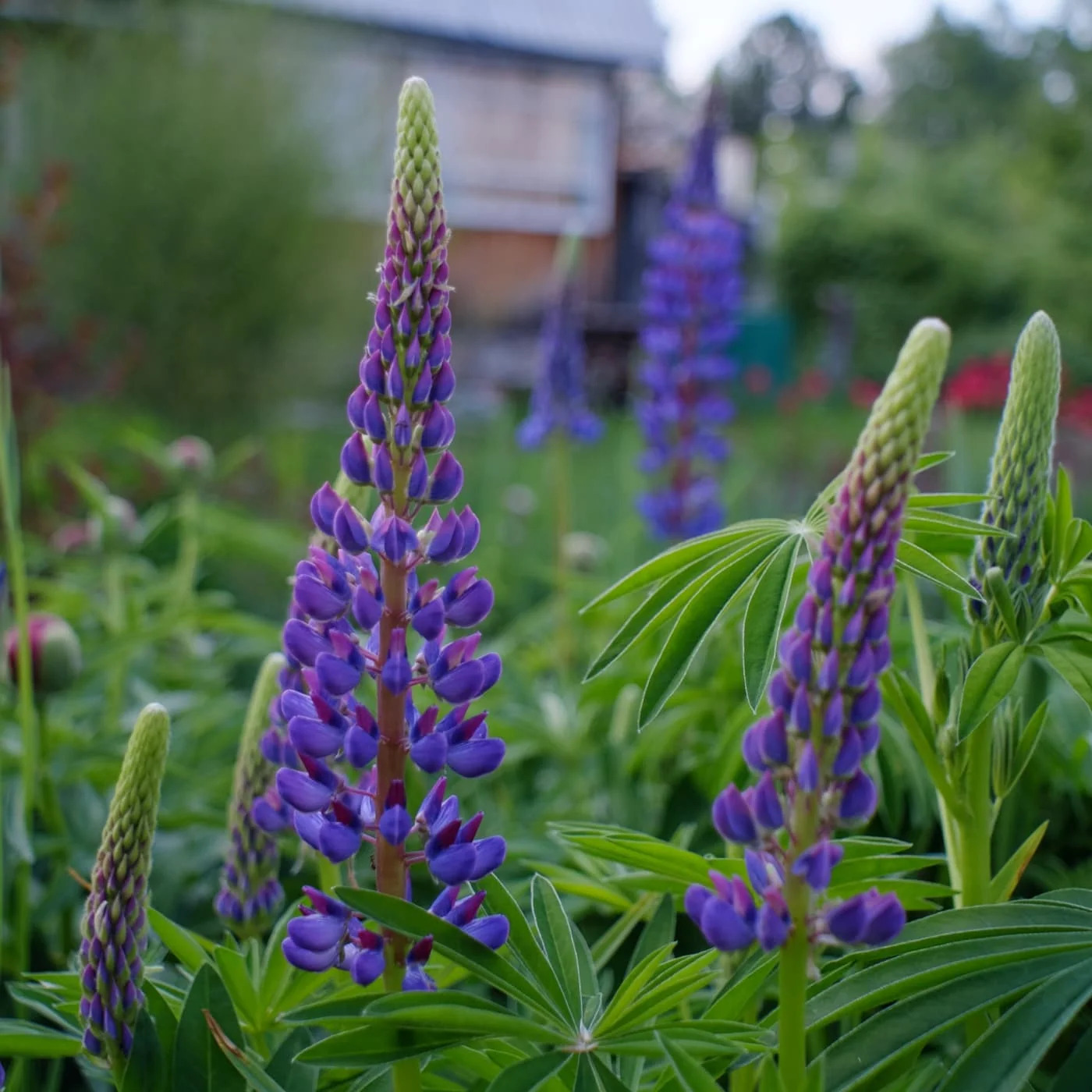
Substitutes like chicory, lupines, etc. surged whenever coffee beans ran short, notably during the Napoleonic Continental Blockade of 1806 to 1812, and again in the postwar years. Lupine coffee’s first documented mention arrived in 1897, when a Tyrolean town lent its name to a lupine drink.
Wild lupines are toxic and bitter. Breeding that began in 1926 produced the sweet lupine used for coffee today. Unlike coffee beans, the seeds contain no caffeine, and they are roasted longer and at lower temperatures.
What ends up in your cup
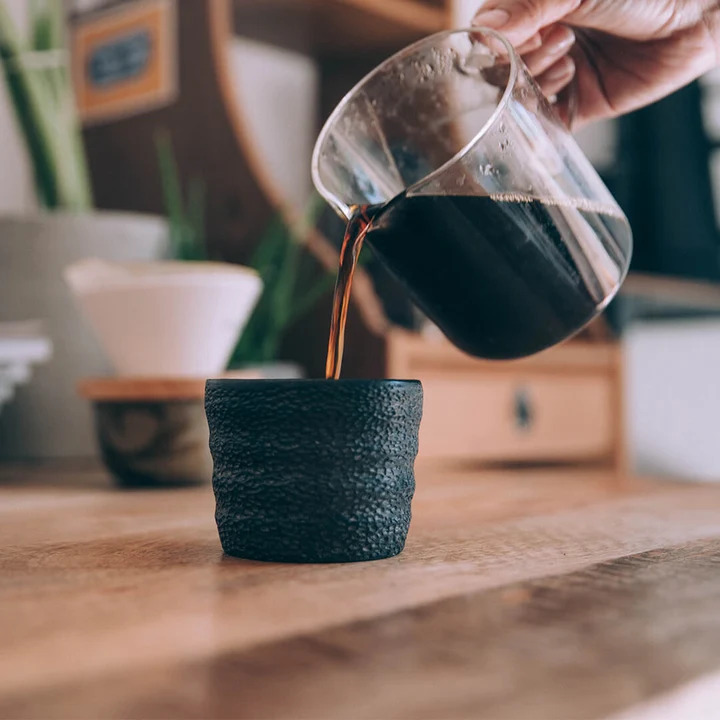
The flavor of lupine coffee can be placed somewhere between toasted bread and grain coffee. At a medium roast (so to say), it has nougat and roasted peanut notes. In essence, one can expect nutty flavors, a velvety finish, and an almost acid-free brew. The seeds contain no caffeine at all, so evening service is easy.
Lupine seeds hold roughly 40 percent protein, yet a brewed cup is not a protein shake. It is gluten-free, unlike grain-based substitutes.
Brewing and the market today
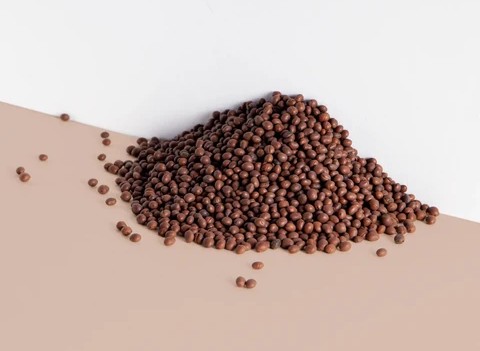
Lupine expands more than coffee when coming in contact with water, so brewers would need to use much less powder than coffee. Tamping is usually unnecessary, and its long espresso extractions have proved to be quite balanced.
Stuttgart, Germany’s Loffee, a popular lupine coffee brand founded in 2024, builds its range around organic lupine, pitching a caffeine-free, low-acid alternative. Kein Kaffee in the U.S. sells 12-ounce pouches that yield up to 30 cups.
Lupine coffee will not replace espresso, and it does not need to. Its appeal lies in a century-old pedigree, a naturally caffeine-free profile, and a gentle, toasty flavor that suits evening service, acid-conscious drinkers, and adventurous menus. As brands around the world gradually grow the category, specialty professionals have a chance to shape how it is brewed, described, and sold. Treat it as its own drink, label allergens plainly, and let guests taste the difference. A bean-free cup with this much history has earned a seat at the bar. For now, it is a small corner of the market worth watching.
ABOUT THE AUTHOR
Bhavi Patel is a food writer focusing on coffee and tea, and a brand-building specialist with a background in dairy technology and an interest in culinary history and sensory perception of food.

Subscribe and More!
As always, you can enjoy your own copy of Barista Magazine by subscribing or ordering an issue. Long live physical media!
You can read the digital edition of Barista Magazine for free here.
Support Barista Magazine and show your love with a Membership.
Signup for our weekly newsletter.
Join us at Camp Coffee Shop in Napa, California.