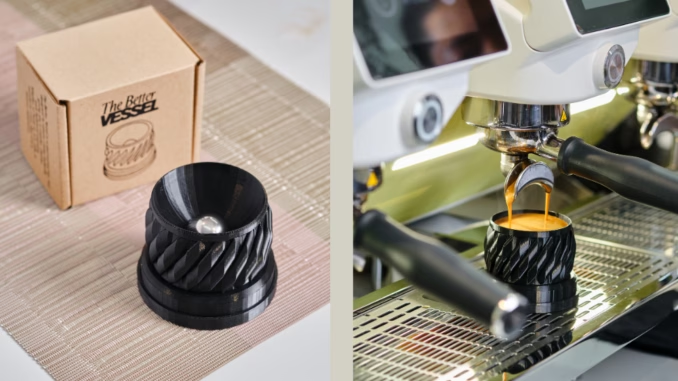
A hands-on evaluation of the Better Vessel: an espresso crema-separation tool by Filipino coffee competitor Michael Harris Conlin.
BY VASILEIA FANARIOTI
SENIOR ONLINE CORRESPONDENT
Featured photos courtesy of Better Vessel. All other photos by Vasileia Fanarioti.
Having interviewed Michael Harris Conlin recently, we were already intrigued by the philosophy behind the Better Vessel. The Filipino coffee competitor spoke passionately about how this tool, which he first introduced during his routine at the 2025 World Barista Championship back in October, could reshape espresso extraction and highlight the nuances of crema.
Now, with the single- and double-shot versions in my hands, I finally had the chance to put it to the test and see if it lived up to the promise.
Unboxing + Initial Thoughts
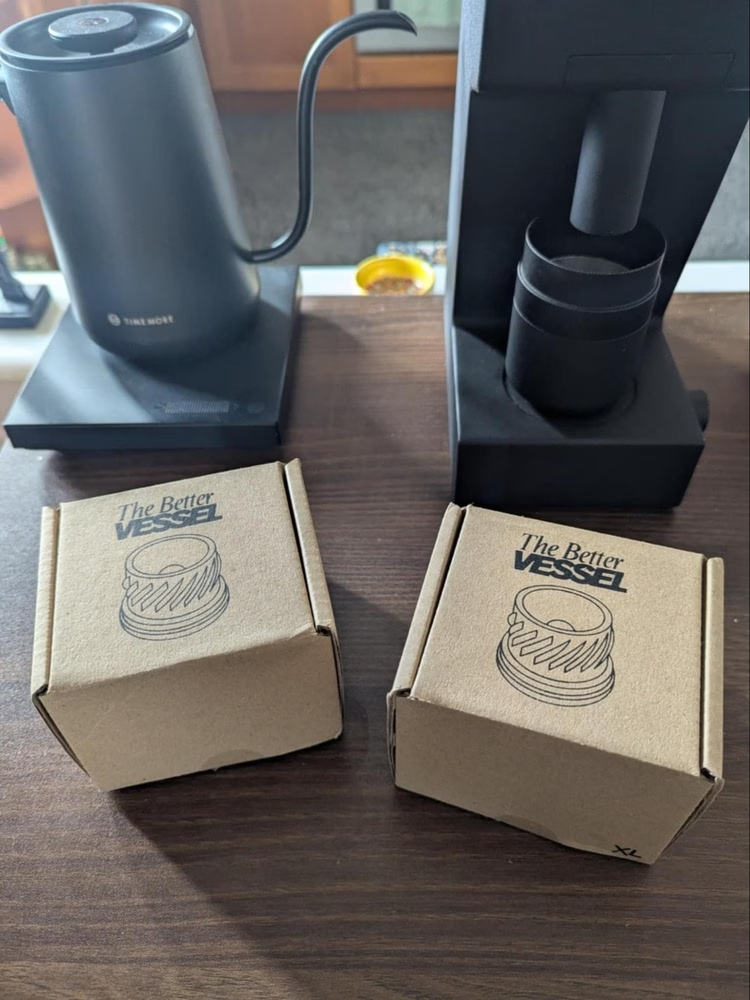
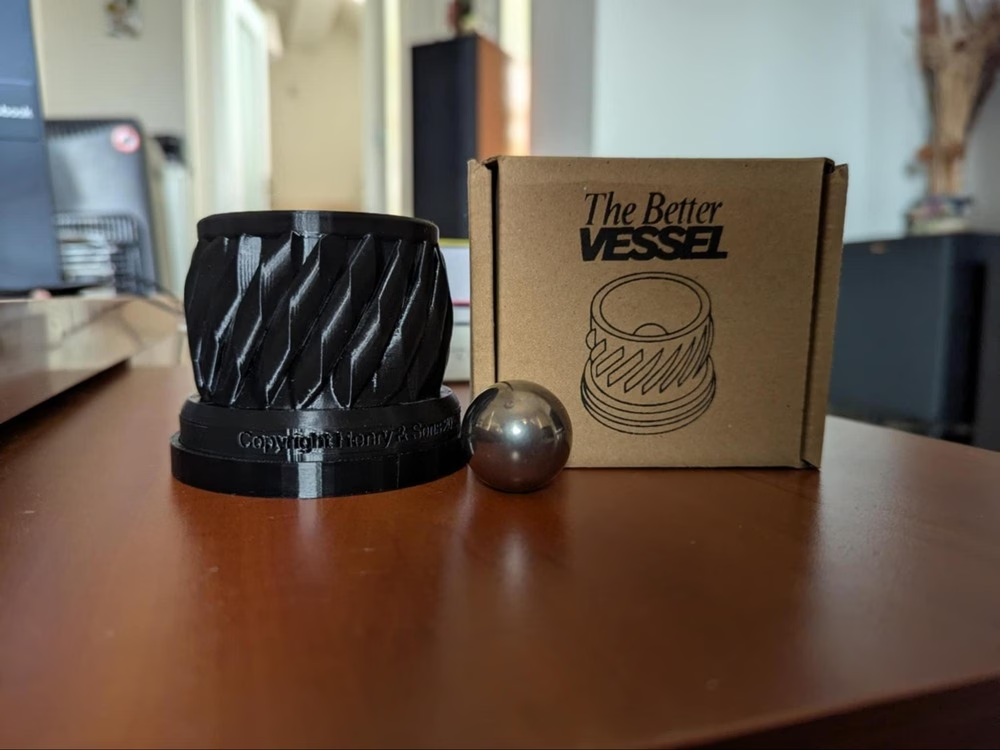
Lifting the vessels from their packaging, I had both the Regular version (in single- and double-shot formats) and the XL capacity version in front of me. Immediately, the precision stood out. The 3D-printed surfaces feel purposeful rather than polished-for-show, and the form is unlike anything in a typical espresso accessory lineup.
The Regular size is compact and clearly designed around standard espresso volumes. The XL, however, is noticeably deeper, built to handle approximately ±80 grams of espresso. That expanded capacity makes it particularly relevant for higher-dose extractions, longer ratios, or when working with naked portafilters where yield can climb quickly. In practice, that extra headroom matters—especially if you’re pushing extraction boundaries.
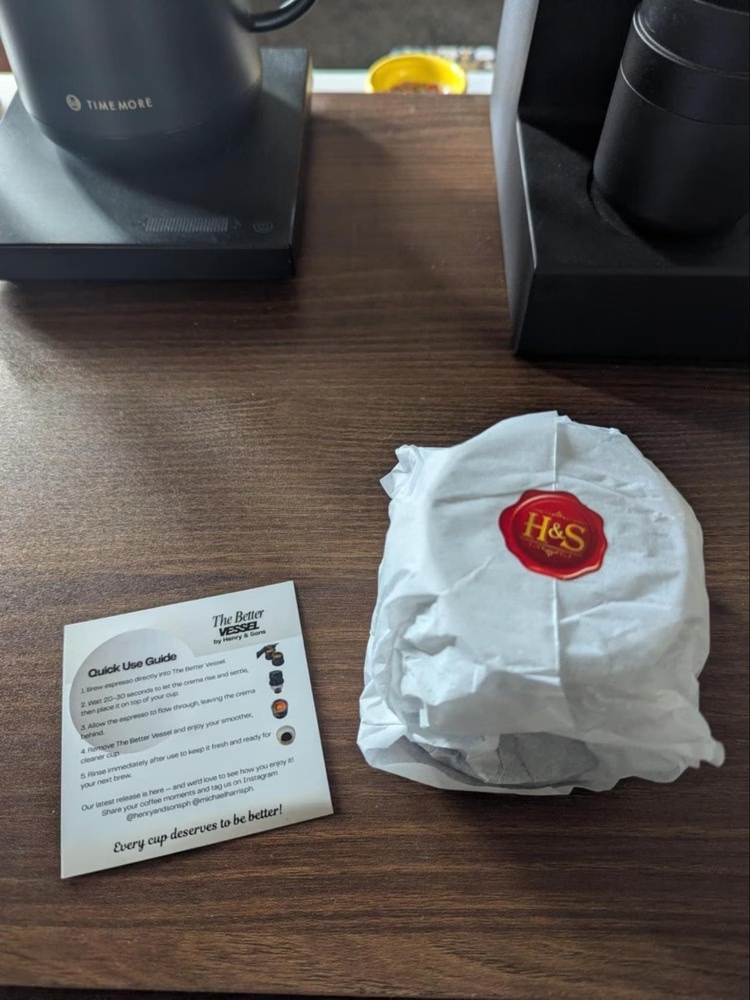
Also included was a cup adapter, designed to accommodate wider cups. This is a thoughtful addition, as cup compatibility quickly becomes part of the conversation when working with a gravity-based tool like this.
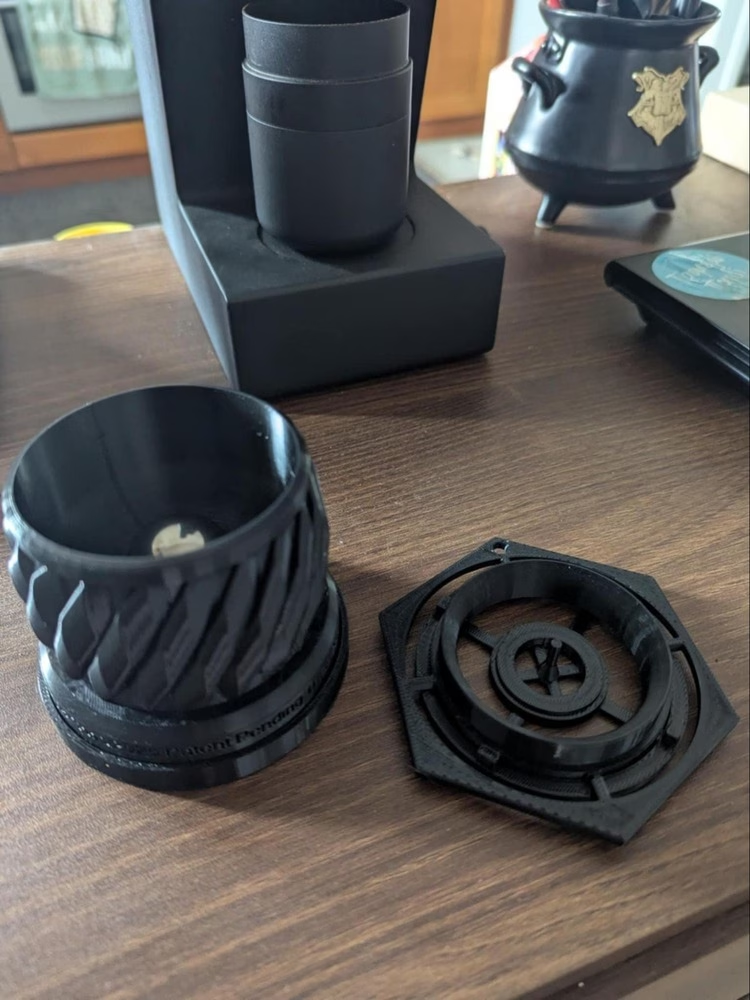
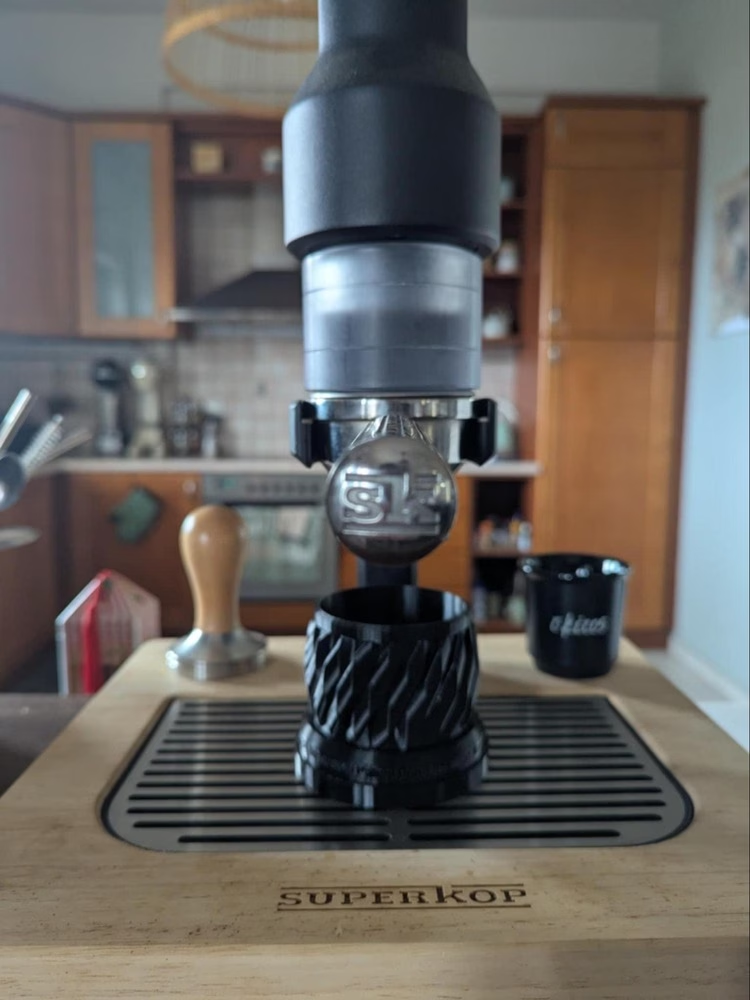
You can immediately tell this isn’t meant to be decorative—it’s designed to sit in a workflow under pressure, literally and metaphorically. The interior bowl and locking base mechanism are central to its function: holding crema back while allowing the espresso liquid beneath it to drain.
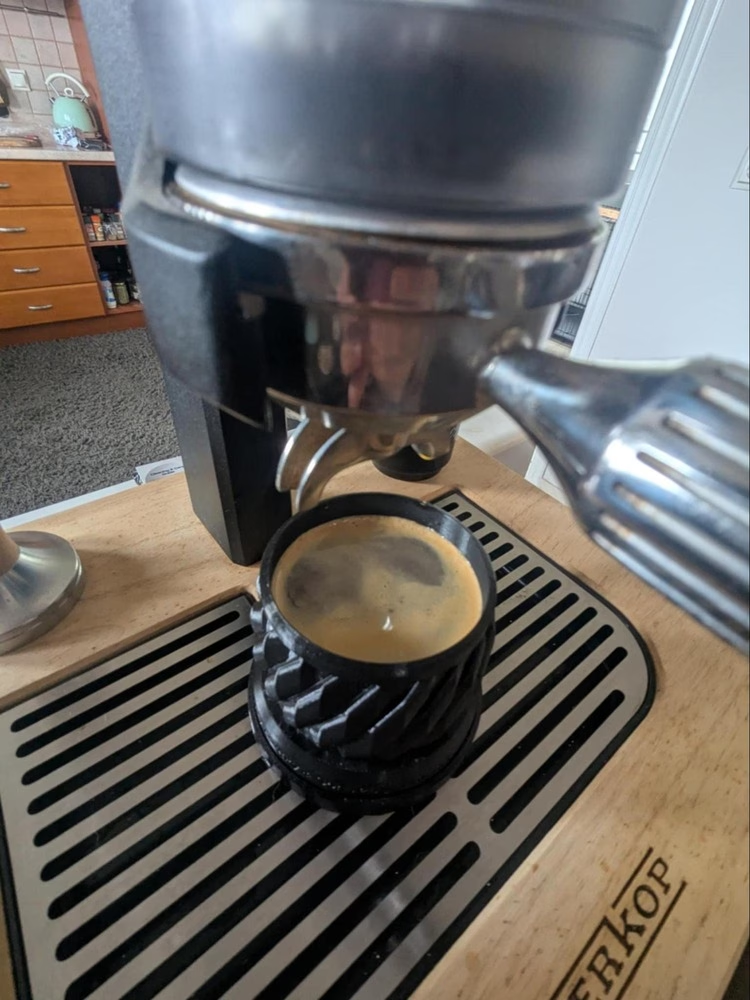
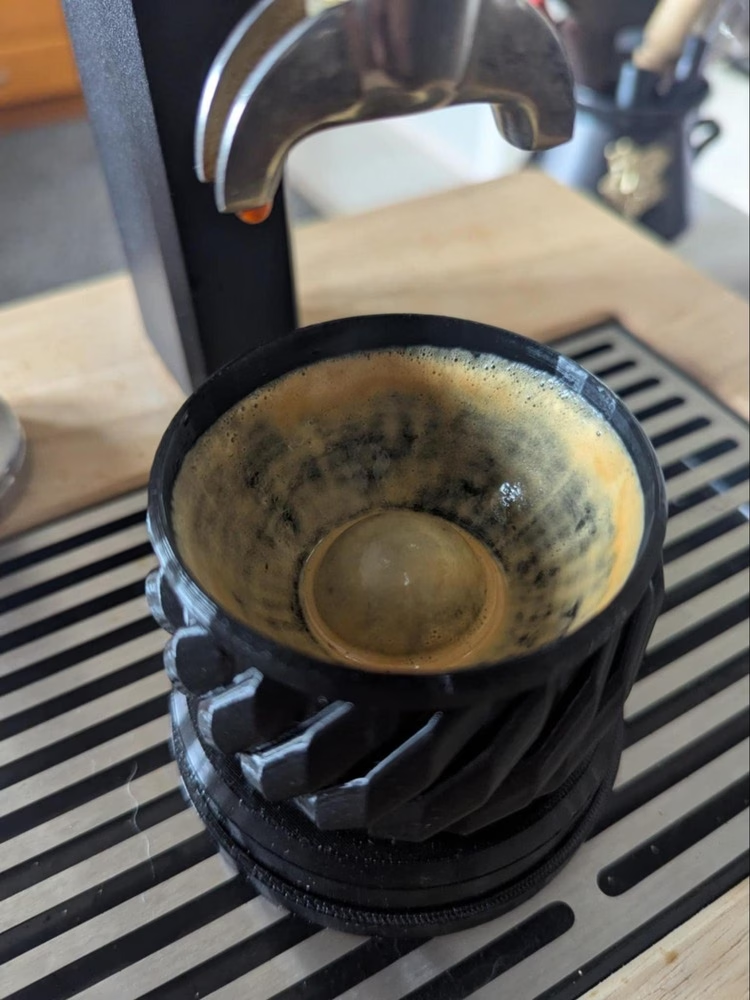
At its core, the Better Vessel functions as a gravity-fed crema separator. Espresso is pulled directly into it, and once placed atop a cup, the valve at the base opens. The liquid espresso flows out from below while the crema remains suspended in the upper chamber. The result is a shot served without its top foam layer—a deliberate removal of what many argue can contribute bitterness and mute clarity.
It’s a simple concept in theory. In practice, as I discovered, it opens up a much more layered discussion about flavor, texture, and personal preference.
Test Drive: Extractions, Recipes, and Observations
I put both versions through a variety of scenarios – different ratios, shot times, and grind sizes. Here’s what emerged.
Scenario 1 – Standard Single Shot
I started with what many consider a baseline espresso recipe: a single shot using a ratio not far from 1:1.4 (for example, 18 grams in / ~25 grams out over ~25–30 seconds). In a normal extraction, crema forms and stabilizes—a thick, golden layer that usually smells intense and aromatic.
Pulling this shot directly into the Better Vessel and releasing it, the result was immediately cleaner in appearance—and in my cup, the sweetness was more pronounced. What struck me first wasn’t “crema is bad.” It was that the underlying espresso flavors simply became easier to focus on. Without the foam, I could taste acidity, sweetness, and body without the distracting bitterness that crema sometimes adds.
With this ratio and timing, removing crema gave a cup that felt less aggressive in bitterness and more linear in flavor perception, especially right out of the gate.
Scenario 2 – Double Shot
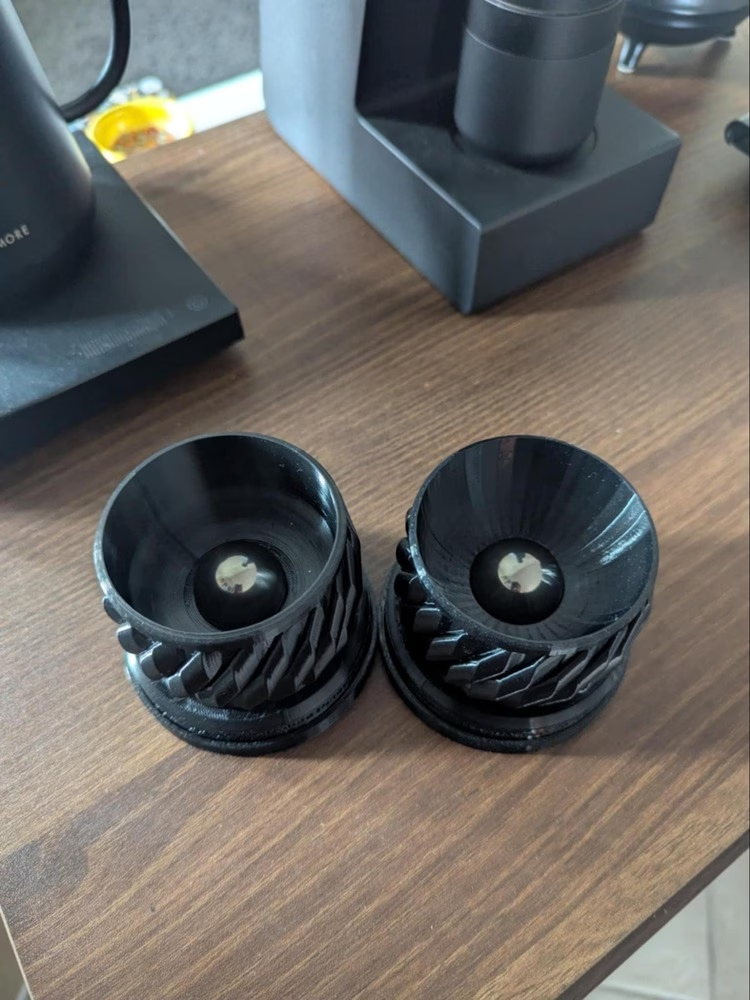
Next came the double-shot version. I used a more traditional ratio—around 1:2 (for instance, 18 grams in / ~36 grams out, ~25–30 seconds), which is common for fuller espresso extraction. Here the effect was subtler.
The double shot produced more crema to begin with. When I used the double vessel to strip that layer away, I noticed two things:
- Smoother Body: The cup felt rounder and less aggressive without the crema on top.
- Heat and Texture Shift: Because there’s more liquid volume, the espresso cooled slightly during the crema separation process. I can’t say definitively that the Better Vessel caused significant heat loss, but there was a perceptible difference between straight-to-cup extraction and the vessel method.
This reinforced the idea that crema isn’t universally “bad”—it’s a textural and flavor component that interacts with shot volume and recipe. Some coffees benefit from its presence; others reveal more nuance without it.
Scenario 3 – Ratios and Extraction Times
The most revealing part of my testing came when I began pushing recipes beyond the standard. I intentionally tried:
- A short, high-intensity shot (higher dose relative to yield, faster flow)
- A longer, higher yield extraction (slower drip -> more soluble extraction)
What I found was fascinating:
- In the short, intense shots, crema removal accentuated bitterness less than expected—because the liquid itself had stronger flavors that were only partially extracted. Here, removing crema cleaned up the cup in a pleasant way.
- In longer extractions, which often risk over-extraction bitterness, removing the crema highlighted that bitterness even more clearly. In those cases, leaving the crema on the espresso actually balanced the taste for my palate.
In other words, using the Better Vessel becomes a method of sensory education, letting you taste how extraction variables and brew ratios truly affect sweetness, acidity, and bitterness without the masking effect of foam.
Cleaning + Maintenance
After several sessions, cleaning was straightforward. A rinse under warm water and gentle drying preserved the vessel’s smooth surface. The 3D-printed material resists staining and scratches, though I avoided abrasive scrubbing to maintain the finish. Maintenance is simple, which makes it easy to integrate into regular workflow, whether at home or in a professional setting.
Current Limitations + Considerations
It’s important to remember that the version I tested is a 3D-printed prototype. While it is fully functional and clearly refined through professional use, it is still part of an ongoing development phase. The surface shows the subtle layer lines typical of 3D printing—nothing that affects performance, but visible upon close inspection. Future versions are expected to refine finish and material consistency further.
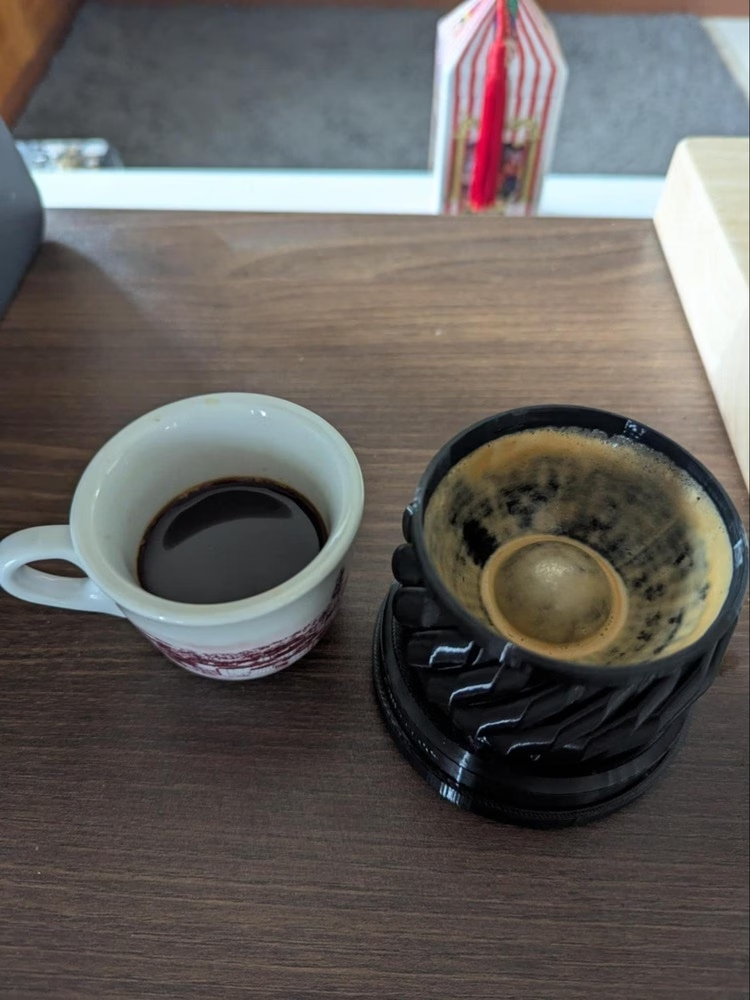
In daily use, I did encounter a few practical limitations. Fit is one. Cups with handles can be tricky—the vessel needs a stable, level seat to allow espresso to pass cleanly through. On handled espresso cups, the vessel sometimes sat unevenly, which interfered slightly with drainage. That’s a workflow consideration for cafés using traditional porcelain with pronounced handles.
More surprisingly, I experienced one instance with a handle-less espresso cup where the coffee simply wouldn’t pass through as expected. The cup shape appeared compatible, yet the espresso hesitated and failed to drain properly. Whether this was due to airflow dynamics, rim dimensions, or minor tolerance differences in the prototype version, it’s something users should be aware of. Compatibility may depend more on cup geometry than one might initially assume.
Who It’s For
From my experience, the Better Vessel isn’t a “must-have” for every home barista—and it doesn’t try to be. What it offers instead is something more nuanced: a way to question assumptions about crema and taste espresso from a slightly different perspective.
For those who enjoy dialing in recipes, adjusting ratios, and exploring how extraction variables shape flavor, it becomes a genuinely engaging tool. It feels particularly relevant for professionals refining competition routines or pushing clarity and balance in high-level service.
But even for curious enthusiasts, it provides a structured way to explore how crema influences bitterness, sweetness, texture, and overall perception. Used thoughtfully, it encourages experimentation and deeper sensory awareness—not by promising a better espresso every time, but by helping you better understand the one you’ve made.
ABOUT THE AUTHOR
Vasileia Fanarioti (she/her) is a senior online correspondent for Barista Magazine and a freelance copywriter and editor with a primary focus on the coffee niche. She has also been a volunteer copywriter for the I’M NOT A BARISTA NPO, providing content to help educate people about baristas and their work.

Subscribe and More!
As always, you can read Barista Magazine in paper by subscribing or ordering an issue.
Support Barista Magazine with a Membership.
Signup for our weekly newsletter.
Read the February + March 2026 Issue for free with our digital edition.
For free access to more than five years’ worth of issues, visit our digital edition archives here.