
Energy drinks aren’t what they used to be. Today, we explore how they’ve evolved over the years and how they’re making their way into your favorite cafés.
BY JOSH RANK
FOR BARISTA MAGAZINE
Illustrations by Kate Haberer
Don’t be embarrassed—it’s happened to all of us. You just don’t want a coffee today. But thanks to your local craft-focused café, you’ve developed great taste. So, how to get your caffeine fix without great coffee? If you shudder at the words Red Bull or Monster, we’ve got a solution for you.
We’ve all heard of energy drinks, seen them at 7-Eleven, and maybe even guzzled one out of necessity during finals week in high school. But they are not your go-to. Your specialty-coffee-refined tastes call for quality beverages 99.9% of the time.
Here’s some good news for you: Energy drinks under the broader category of functional beverages have evolved. While you were reading tasting notes on that anaerobic Sidra you’d been dying to try, several companies were hard at work creating plant-based drink options that not only satisfy customer cravings for high-quality caffeine but can also boost sales in the afternoons and open your shop to a whole new clientele.

Functional drinks have come a long way in the gourmet drink space, and there’s research to prove it. A 2024 Grand Review Research Study estimates this category at $150 billion. Functional drinks are classified as energy drinks and additives that “do more,” including offering botanicals and B vitamins. Brands such as Next Level Energy, Lotus Plant Power, and Monin have transformed what people sought in the obnoxious energy drinks that gave them the shakes, recasting them as clean, natural, low-sugar products focused on wellness and flavor innovation.
“The Red Bulls and the Monsters of a decade ago were relying purely on caffeine to create a perceived energy feeling,” says Will Burrows, CEO of Next Level Energy. “We have ingredients that are intended to contribute to the perceived energy feeling from consuming our product—and that’s things other than caffeine, such as amino acids and B vitamins.”
These new types of energy drinks use ingredients that work to stimulate consumers beyond simply jumpstarting them with a blast of caffeine. “Lotus Plant Power isn’t built on artificial stimulates or extreme highs,” says Scott Strader, CEO of Lotus Plant Power. “We focus on functional plant-based ingredients that harmonize with our bodies to help mitigate causes of low energy like stress, gut health, immunity, and mental clarity.”
While developing the Next Level Energy brand, Will did a deep dive into supposedly acceptable ingredients that actually produced negative reactions. The culprit in most cases was high niacin levels. “It’s a vascular system stimulant. It increases your blood pressure, makes you flush, [and] gives you the jitters,” he says.
Niacin’s not the only offender in the case of old-school energy drinks, either. “Many ready-to-drink energy beverages rely on sweeteners and synthetic caffeine, delivering a quick jolt that’s anything but sustainable,” says Sabrina Godfrey, director of marketing communications at Monin.
Instead, companies like Monin are crafting their functional product solutions with natural caffeine sources such as their proprietary ingredient, CoffeeBerry Energy, which is a blend of organic caffeine and polyphenols derived from the whole coffee cherry. Sabrina explains that this key ingredient in Monin’s Brilliance Natural Energy products provides a natural source of energy alongside other ingredients. She lists “functional additives like L-theanine for focus, B vitamins for energy metabolism, and adaptogens like ginseng” as among the ingredients Monin sourced for the products.

The success of these new higher-end, health-focused functional drink additives is the result of years of research into ingredients that deliver positive solutions to a need, whether an energy boost, improved focus, or simply a colorful treat that tastes good without all the bad stuff.
“We utilize allulose, a natural sugar made from corn that is GRAS and non-GMO,” says Scott. For Lotus’ caffeine source, he says they use PurCaf, a USDA-certified-organic brand derived from green coffee through a clean-water extraction process. Scott chose this plant-based, chemical-free alternative to synthetic caffeine for the clean energy boost it provides.
Energy Drinks in the Specialty-Coffee Space
Like third-wave coffee itself, functional energy drinks started out as a niche offering that caught on and spread nationwide. “If you look back a decade ago in the coffee industry, Dutch Bros was one of the only concepts in the country offering energy drinks on their menus at their coffee shops,” says Will of Next Level. “And they’ve essentially written the playbook for the energy category in the coffee industry. They got their start serving Red Bull infusions.”
Like any savvy business, Dutch Bros eventually ditched the Red Bull branding and launched its own line, called Rebel Energy. “Energy has been a huge part of the Dutch Bros program pretty much since their conception,” adds Will.
But energy is only one facet of functional drinks. “Consumers are looking for healthier beverage options that deliver on taste and wellness,” says Scott of Lotus. “Functional drinks meet that demand by blending convenience with holistic health benefits, helping people fuel their lives while aligning with mindful, health-conscious value.”
Even before COVID-19, consumers increasingly sought healthier options from their retail food and beverage purchases. And as the pandemic abated, that buying preference has only grown. But while consumers are seeking more wholesome products, their lives are busier than ever, making the convenience factor a big one. And the more functions a beverage can serve for them, the better.
“Several factors are fueling this growth, led by consumer wellness trends and busy, on-the-go lifestyles. People are seeking beverages that do more than hydrate,” says Sabrina of Monin. “They want options that support energy, immunity, mood, and cognitive function throughout their day.”
A customer typically wants two simple things from their morning latte: tastiness and the get-up-and-go they need in the early hours. The person walking into your shop at 2 p.m., however, is far enough into their day that the desire to pack in advantageous elements is heightened. They need something to help them power through the afternoon and beyond, and they want—and feel deserving of—a treat. But they look to you, their trusted coffee professional, to provide an option as high-quality as what you deliver consistently for their morning coffee order.
Coffeehouses: Not Just Houses of Coffee
Coffee shops sell more than just coffee. Well, successful coffee shops do. An insightful owner knows that profitability comes with diversification. They might be a supremely geeky coffee person, but they understand that in order to afford the exceptional coffees they want to serve, they have to boost their bottom line. This doesn’t just mean offering pastries, tea, and functional beverages. It means selling pastries, tea, and functional beverages of the same high quality as the outstanding coffees upon which they built their reputation.
“Three, four, five years ago, Starbucks was reporting that coffee represented less than 30% of their total sales,” says Will. “Other things like refreshers and teas were rising in the ranks of what they were selling.”
What started as an additional revenue stream for large coffee corporations has become available to local corner shops. Customers of all types have shown they are open to trying something new.
“Coffee will always be the heartbeat of Huey’s, but functional drinks have given us another way to connect with our guests,” says Jennifer Maguire, regional manager of Huey’s Coffee, which has locations in Texas and Ohio. “They’re fun to make, easy to customize, and create an inclusive menu that reaches everyone—kids, parents, students, athletes, and coffee lovers alike.”
The Time is Now for Diversification

Times are tough for small businesses. Broadening your offerings might be the key to unlocking a new customer base and hitting those hourly sales goals on sluggish afternoons. The first step is to decide if these drinks are for you.
Try this exercise: First, picture a pile of money. You’re in a crowd of aliens with an indeterminate number of arms. The alien with the most arms is going to be able to grab the most money. Make sense? In this scenario, your coffee shop is the alien; it needs more arms.
“Coffee concepts have struggled to boost their afternoon sales,” says Will of Next Level Energy. “If you have three people that walk into your coffee shop and two of them are there for coffee, what do you have for that third person? What do you have to capture that potential sale?”
More options mean you can serve a wider group of people. Caffeine wimps like myself aren’t going to slam an espresso shot later in the day. Functional drinks create an opportunity for a sale where there wasn’t one before.
“Offering functional beverages allows cafés to expand their menu appeal to health-conscious and younger consumers, attract more traffic throughout the day rather than just in the morning, and boost revenue through premium-priced, customizable drinks,” says Sabrina of Monin.
Adds Scott of Lotus, “Flavor-infused energy drinks generate over half of the beverage revenue in over 20,000 businesses that serve Lotus. Incorporating energy brings in the younger consumers that are not yet coffee drinkers.”
Including functional drinks doesn’t mean you need to diminish your coffee offerings. Functional drinks simply make a more robust menu. “It’s growth and additional sales on top of coffee that they were already going to sell,” says Will.
Jennifer of Huey’s Coffee understands that. “We’re proud of our coffee, but we also know that not everyone wants caffeine the same way. Adding Next Level Energy allowed us to offer something new that still fits Huey’s culture,” she says.
“The heart of the idea was more of a supplemental product for people that don’t like coffee or maybe Gen Z or younger people,” said James Parry, VP of sales and marketing at Next Level Energy. “They want something that might have a little sugar but is going to have some ingredients that are good for your body and good for your brain and is going to make your body feel good.”

Speaking of Gen Z…
You’ve heard of Taylor Swift, right? The woman who spawned a thousand Instagram fan accounts? Young people on the hunt for what might make a cool-looking, interesting, and colorful post or TikTok account for a healthy portion of the Gen Z pie.
These folks aren’t looking for great latte art pics, though. “Social media and influencer buzz have turned functional drinks into wellness must-haves, with viral recipes and aspirational content fueling interest,” says Sabrina of Monin.
Born between 1997 and 2012, Gen Z represents the first truly digital-native generation. They’ve grown up with unprecedented access to health information, and it seems to have altered their consumption patterns. According to a white paper recently published by First Insight titled “The State of Consumer Spending: Gen Z Shoppers Demand Sustainable Retail,” 65% of Gen Z consumers actively seek out products with natural ingredients, and 58% are willing to pay more for beverages with functional properties. TikTok, their platform of choice, is flooded with #guthealth #adaptogens, and #cleanlabel content.
Gen Z consumers expect more from beverages than just hydration, says Food Business News in a report that found that 82% of younger consumers say that their favorite beverages restore their mental health. And Beverage Daily wrote that “social media is the new digital shelf, and we know Gen Z looks to influencers and Instagram for the next big thing.”
Making Your Move
Marketing energy to a coffee crowd seems redundant and weird, but it works. You just have to understand why people are drawn to these beverages.
“Curiosity often draws people in—the promise of something healthier, plant-based, and new,” says Scott of Lotus Plant Power. “What keeps them coming back is the experience of how it makes them feel without sacrifice on flavor. Flavor is key.”
Now that we understand what these drinks are, why people like them, and how they fit in a coffee shop, let’s get into what it takes to get a functional drink menu rolling.
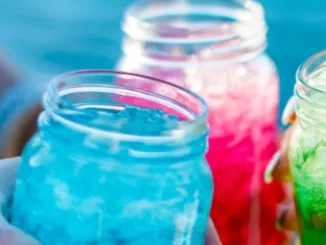
First, you need to figure out your offerings. Coffee-centric flavors like vanilla and caramel might be lying around, but you have to branch out to fruit-flavored syrups. “The color of those drinks comes in as a pretty strong motivator for consumers,” says Will of Next Level Energy. “Our product is neutral in color. It is intended to be used with any fruit-flavored syrup to create the finished drink.”
Adds Sabrina from Monin, “Use visually appealing drinks with bright colors and layered presentations, which perform exceptionally well on social media.”

The launch of these drinks is the exciting part. Come up with a fun name. Highlight that you not only have a new drink, but a new category of drink. And be sure to have at least three to five drinks at the outset so you—and your customers—have options.
Once your functional drink program is up and running, remember to consistently revisit it to make sure your offerings don’t go stale. “Offer customizable options that let guests choose their base, such as sparkling water or tea,” advises Sabrina from Monin. “Finally, stay agile by tracking trends and experimenting with seasonal flavors and emerging ingredients.”
The trajectory of functional drinks has been consistent. People like them. People will continue to like them. “Functional beverages are not just a trend anymore. They are becoming foundational,” says Scott of Lotus Plant Power. “Today’s consumers, especially Millennials and Gen Z, are done settling for synthetic sweeteners, sugar crashes, and big claims. They’re choosing transparent sourcing and clinically proven ingredients.”
The bottom line is this, retailers—say it with me: We will no longer be oppressed by the tyranny of Red Bull sugar crashes and espresso jitters late into the night. A new, functional future is here. It is fruit-flavored, colorful, and pretty enough to post on Instagram.
“It gives our guests a different kind of energy, one that fits their day and lifestyle,” says Jennifer of Huey’s Coffee. “This is quality stuff.”
This article originally appeared in the December 2025 + January 2026 issue of Barista Magazine. Read more of the issue online here for free.
ABOUT THE AUTHOR
Josh Rank (he/him) is a writer living in Tennessee with his wife and two dogs. Find more of his ramblings at joshrank.com.

Subscribe and More!
As always, you can read Barista Magazine in paper by subscribing or ordering an issue.
Support Barista Magazine with a Membership.
Signup for our weekly newsletter.
Read the February + March 2026 Issue for free with our digital edition.
For free access to more than five years’ worth of issues, visit our digital edition archives here.